

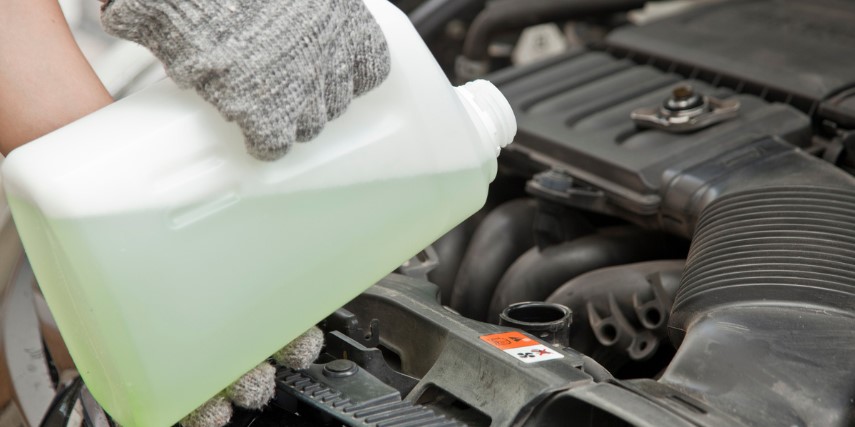
If you haven’t yet experienced winter’s chill, it’s on the way—so now is the time to ensure your diesel truck is prepared for cold weather conditions.
If it’s been some time since you last replaced your antifreeze, make that a top priority on your winterization checklist. Over time, sediment and particulates can build up, reducing the coolant’s ability to regulate engine temperature effectively.
The Role of Antifreeze
All fluids in a diesel truck are important, but when you’re talking about winter weather, the focus needs to be on your antifreeze, because it regulates engine temperature and prevents freezing. This fluid also protects against scale buildup and corrosion.
When temperatures drop below freezing, your antifreeze will protect your engine block, and that’s vital, as frozen blocks can quickly lead to blown gaskets and cracked components.
With clean antifreeze, you can maintain consistent temperature control, which means you’re gaining fuel efficiency as well as power output. When your antifreeze ages and the level of concentration is no longer sufficient, you risk overheating or even failure to start when subzero weather hits.
While antifreeze is also a coolant, there is a lot more to it than just thermal regulation: it also protects against cavitation and electrolysis, which can degrade your engine over time. That’s why mechanics will run a pH test on antifreeze to reveal the exact quality of your antifreeze and know when to replace it.
Signs It Is Time to Change Your Fluid
Has a dreaded dashboard warning lights flicked on? Is your battery performance lacking? Have you noticed sluggish engine performance or poor fuel efficiency? These may stem from multiple causes, but winter fluid maintenance could be the fix you need.
It’s also important to keep records of which antifreeze you last used. If you can’t remember and need to top off your fluids, it is not recommended to mix different types of antifreeze, so your best bet is to do a full replacement.
Diesel engines run at higher temperatures than gasoline engines, which means your coolant will break down faster. When it degrades it becomes acidic, which damages diesel engine parts. This is another reason your mechanic will use pH test strips on your fluid.
Other Winterizing Items
While you’re in winterizing mode, take these items into account as well:
If you want further assurances that your diesel truck is ready for winter, contact us at Gray Diesel & Equipment Services. Our experienced team will go through a thorough checklist that accounts for all the important winterizing details.