

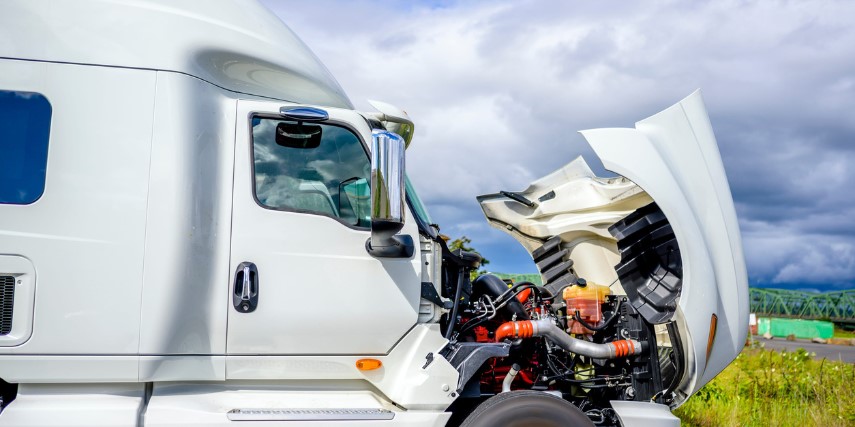
Many industry professionals refer to it as the snowball effect, when a minor, unaddressed issue escalates into a significant and costly repair. What could have been resolved with a $100 adjustment can quickly become a $1,000 expense. Diesel truck and RV owners are especially familiar with this pattern, particularly when it comes to the diesel particulate filter (DPF).
Why the DPF Clogs
The DPF is designed to catch between 85% and 100% of diesel particulate matter. But this only happens when the filter is allowed to properly regenerate (clear soot). Using a diesel-powered vehicle on repeated short, stop-and-go trips is one of the main culprits of DPF issues, because the exhaust temperature never reaches the optimal level for the filter to burn off the soot it collects. And because more soot is created at lower speeds, the problem only compounds.
It also pays to use high-quality fuel in a diesel truck, as low-quality fuels increase soot production. Don’t get behind on your fuel filter replacements, either, as this will add to DPF clogging issues.
Problem Signs
The engine computer is designed for many things, one of which is to protect itself. When a noticeable loss of engine power occurs, that’s the computer doing its thing and could be a sign that the DPF is clogged.
The result of ignoring this loss of power, which might be accompanied by dashboard warning lights, is backpressure; it damages the turbocharger, sensors and, in the worst-case scenarios, the engine.
When the engine starts burning through more fuel than usual or the high exhaust temperature warnings begin, this is also a sign of a clogged DPF.
An Ounce of Prevention
In addition to a fuel filter replacement, using high-quality fuel and avoiding too many short trips, there are some other best practices to put on your list:
If you’re noticing any of the problems mentioned here, bring your diesel truck to Gray Diesel & Equipment Services. While the DPF is designed to self-clean through regeneration, it is notorious for being prone to issues that require a trip to a mechanic. If you’re doing a lot of city driving, extensive heavy-duty driving or if your engine has racked up a lot of miles, we recommend bringing it in for a checkup. Contact us and make an appointment.