

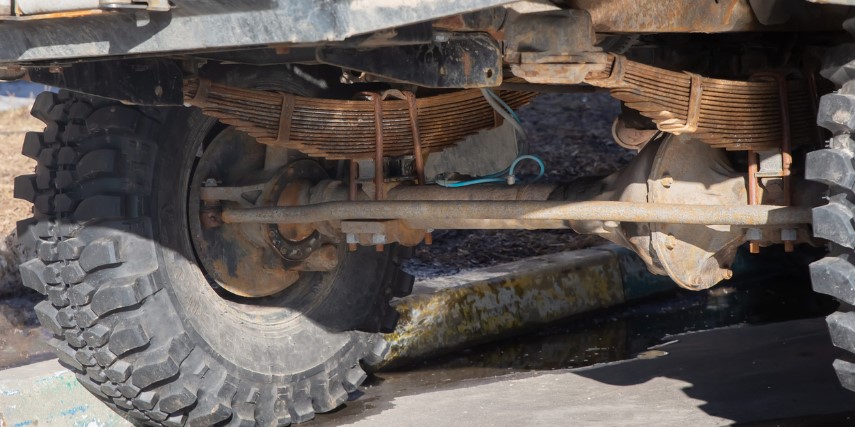
It makes sense that so many components on a diesel truck are built to be sturdy, as they’re designed to handle heavy loads. From towing equipment to hauling massive materials, the suspension takes a beating. Over time, heavy loads, especially those that are not properly managed, cause a truck to sag, sway and bounce. However, suspension damage can be prevented with smart loading habits and routine maintenance.
Making Adjustments
There are still plenty of older-model trucks with leaf spring suspension, but many modern workhorses are equipped with air suspension systems that can be adjusted to match varying load requirements. The right adjustments can improve handling, increase safety, improve fuel efficiency, enhance driver comfort and extend the life of the components involved. Proper suspension adjustments save truck owners significant money on repairs.
Adhering to Weight Limits
Towing capacities, axle ratings and gross vehicle weight limits are not just suggestions; they are essential guidelines to serious truck operators. Staying on top of everything from cargo to trailer weight and tongue weight can be the difference between a suspension that lasts and one that prematurely fails.
Pushing the limits is more likely to cause your leaf springs to flatten, your shocks fall into disrepair and your airbags to take on too much strain. Bushings, mounts and steering components will fail.
The best practice is to always check the cargo weight before a haul. This includes maintaining proper trailer balance, as steering can be affected and the suspension will wear unevenly.
Regular Suspension Inspections
Like most major mechanical issues, suspension problems often begin as minor concerns. An unusually heavy load can become the tipping point, placing excessive stress on already worn components such as shocks, bushings, or leaf springs. Routine inspections help identify these smaller issues early, allowing for timely repairs that can prevent major failures and costly towing expenses.
Problems such as excessive bouncing, uneven tire wear, steering pull and sagging are also sure signs that your diesel truck needs a visit to the shop. But there are some steps you can take yourself, including inspecting airbags and air lines for leaks. While you’re at it, look for fluid seepage around your shock absorbers.
Don’t Risk Downtime
Failing to keep tabs on the health of your suspension components can lead to tire blowouts, steering damage, broken axles, DOT violations and cargo damage. Any of these problems can lead to downtime, which equals lost money in more ways than one.
Don’t let suspension problems land your rig in the shop for an extended period of time. At Gray Diesel & Equipment Services, we’ll check every vital component of your suspension and get you back on the road quickly with no stress about getting stranded. Contact us and make an appointment.